
 (973) 744-0804
 Pay Invoice
Voice Therapy for Adults
Adult Therapy
Request a Consultation
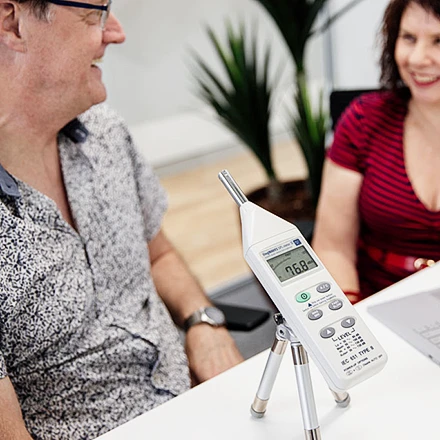
What is a Voice disorder?
Voice and resonance disorders can affect the quality, pitch, and loudness of a person’s voice, often leading to strain, discomfort, or reduced vocal reliability. Because these disorders arise from a wide range of underlying causes, treatment requires an individualized plan that targets the specific source of the impairment and supports healthy, efficient vocal production.
Typical signs of Voice Disorders:
- Hoarseness, breathiness, or a consistently raspy voice
- Reduced vocal loudness or difficulty projecting the voice
- Frequent vocal fatigue, strain, or discomfort when speaking
- Pitch changes, such as a voice that sounds unusually high, low, or unstable
- Breaks in the voice, intermittent aphonia, or a voice that “cuts out”
- Abnormal resonance, including nasal quality, muffled sound, or feeling “blocked” when speaking
Our Approach to Voice Therapy for Adults

Direct Voice Therapy
Targets areas of voice production (e.g. respiration, phonation, and resonance) through exercises such as vocal function exercises, resonant voice therapy, and laryngeal strengthening.

Indirect Voice Therapy
Focuses on modifying behaviors and environments that impact vocal health, including vocal hygiene education, reflux management, hydration routines, and reducing phonotraumatic habits

Collaboration
Our therapists coordinates care with your medical team and provide referrals to specialists when needed to support safe, effective treatment.
Insurances We Accept
In-Network Insurance Carriers*





*we accept all insurances, pending out-of-network coverage