
 (973) 744-0804
 Pay Invoice
Infant Feeding Therapy
Feeding Therapy
Request a Consultation
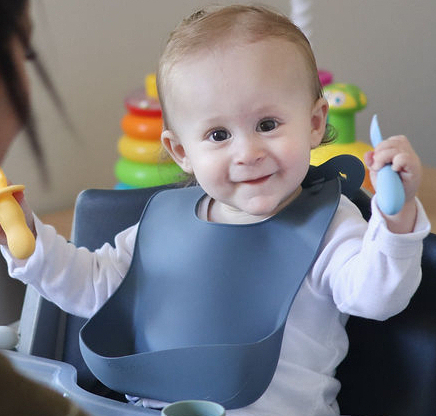
What is infant feeding therapy?
Medically fragile and premature babies often experience difficulties latching and coordinating the suck, swallow, breathe triad. Consuming the “prescribed” intake volume may be challenging and lead to stress for the infant and the caregiver.
Full term babies may also present with feeding limitations due to a variety of medical conditions, developing sensory systems, and differences in oral structure and function.
Typical signs of feeding difficulty
for newborns or infants:
- Refusing bottles or breast
even when hungry - Difficulty latching or
maintaining a latch - Crying, gagging, or coughing
during feedings - Turning their head away or arching
their back during feedings - Requiring frequent breaks
during feedings
- Long feeding sessions
(over 30 minutes) - Only eating with distractions
or while sleepy - Difficulty transitioning to solids
or new textures - Feeding struggles that lead
to slow weight gain
Our Approach to Infant Feeding Therapy

In Person Observation
The therapist watches a normal
feeding session (breast or bottle) to
check the baby’s latch, posture,
and rhythm.

Detailed Review
The specialist discusses the
infant’s medical history, weight gain, and
any signs of stress like coughing,
choking, or arching.

Assessment
The therapist thoroughly
examines oral-motor strength
and checks how the lips, tongue,
and jaw work together.
Insurances We Accept
In-Network Insurance Carriers*





*we accept all insurances, pending out-of-network coverage